Quercus alba
White Oak is a stately oak valued for its broad rounded canopy, with wide-spreading branching, and is arguably the most important species of the white oak group.
Shade Tree



Tree Type
Canopy Type
Canopy Shape
Soil Condition Tolerances
Spring Interest
Fall Interest
Native Habitat
Hardiness
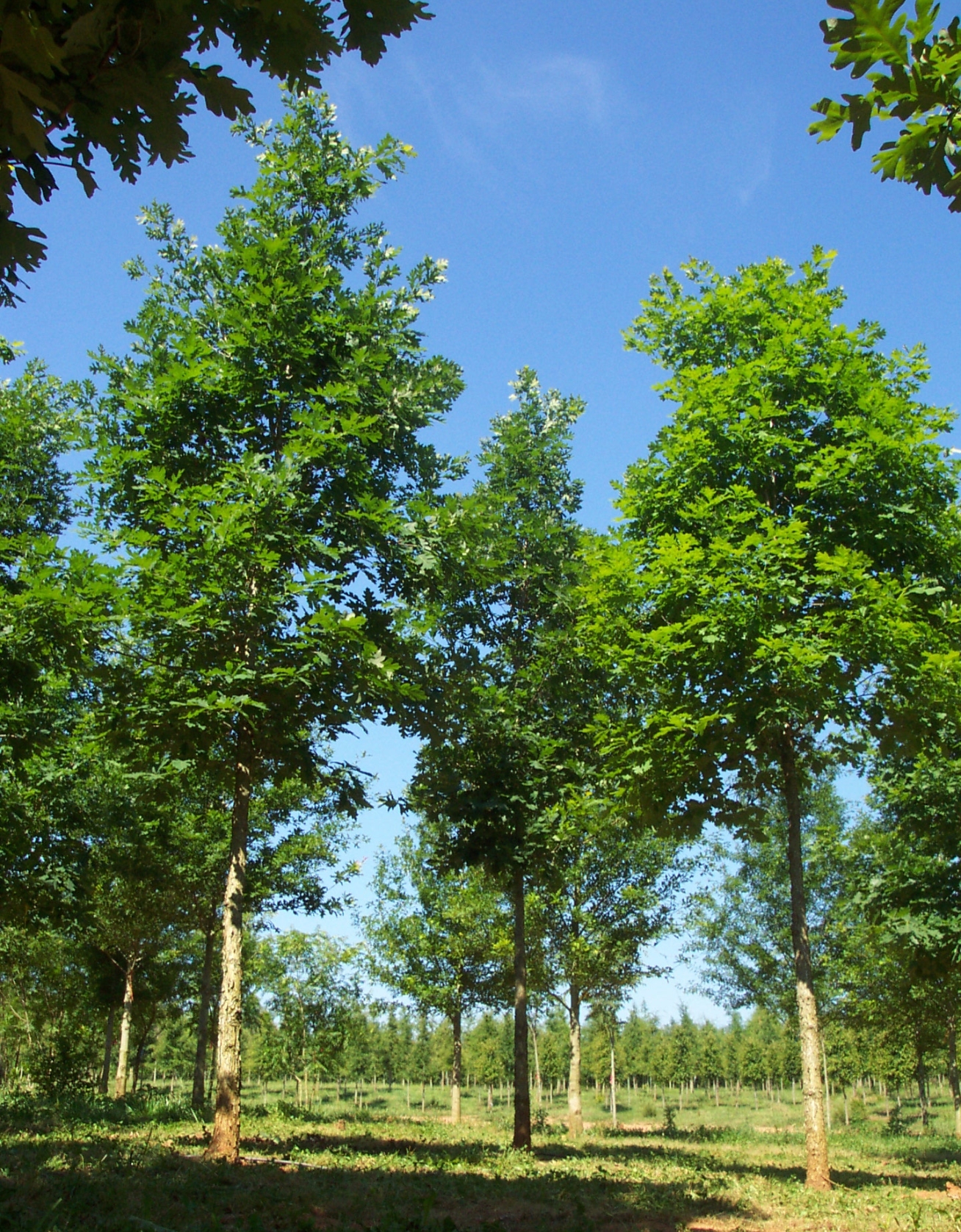
White Oak is a stately oak valued for its broad rounded canopy, with wide-spreading branching, and is arguably the most important species of the white oak group.
Shade Tree
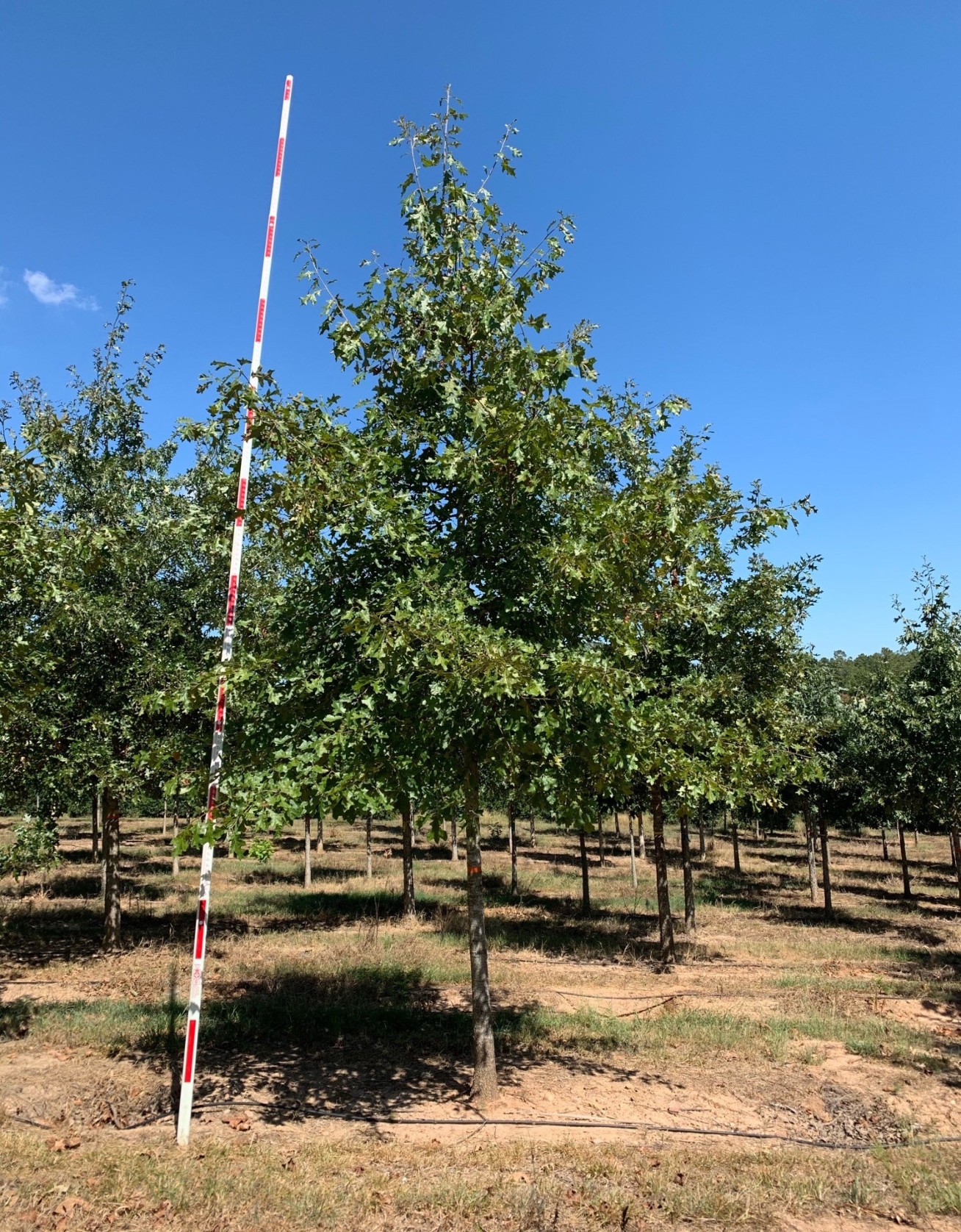
Cherrybark Oak is a large, fast-growing native oak valued for its broad spreading canopy, naturally dominant and straight central leader, and impressive mature size.
Shade Tree
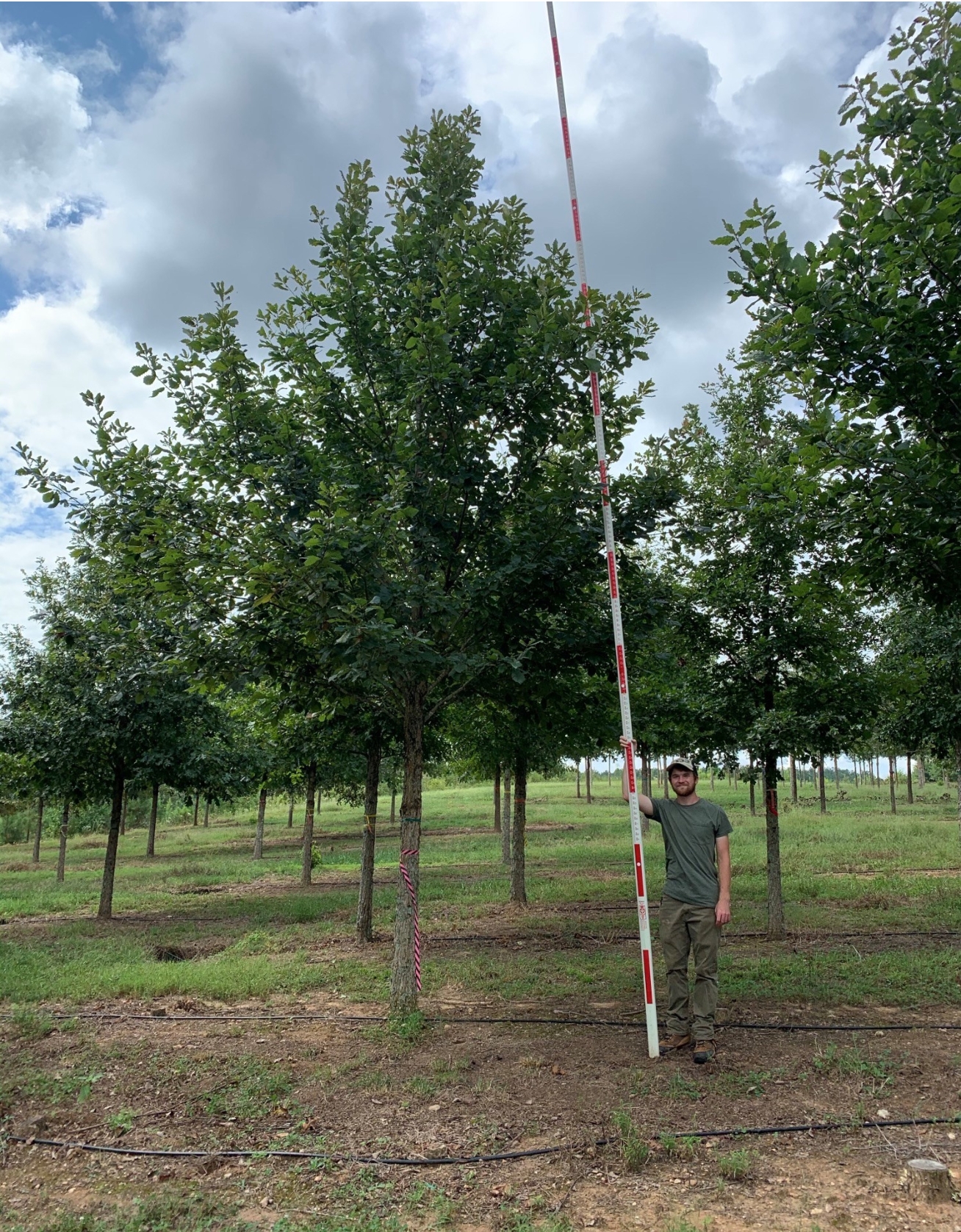
Swamp Chestnut Oak is a large oak with a dense, broad crown, and a good tolerance for wet soils and occasional flooding.
Shade Tree
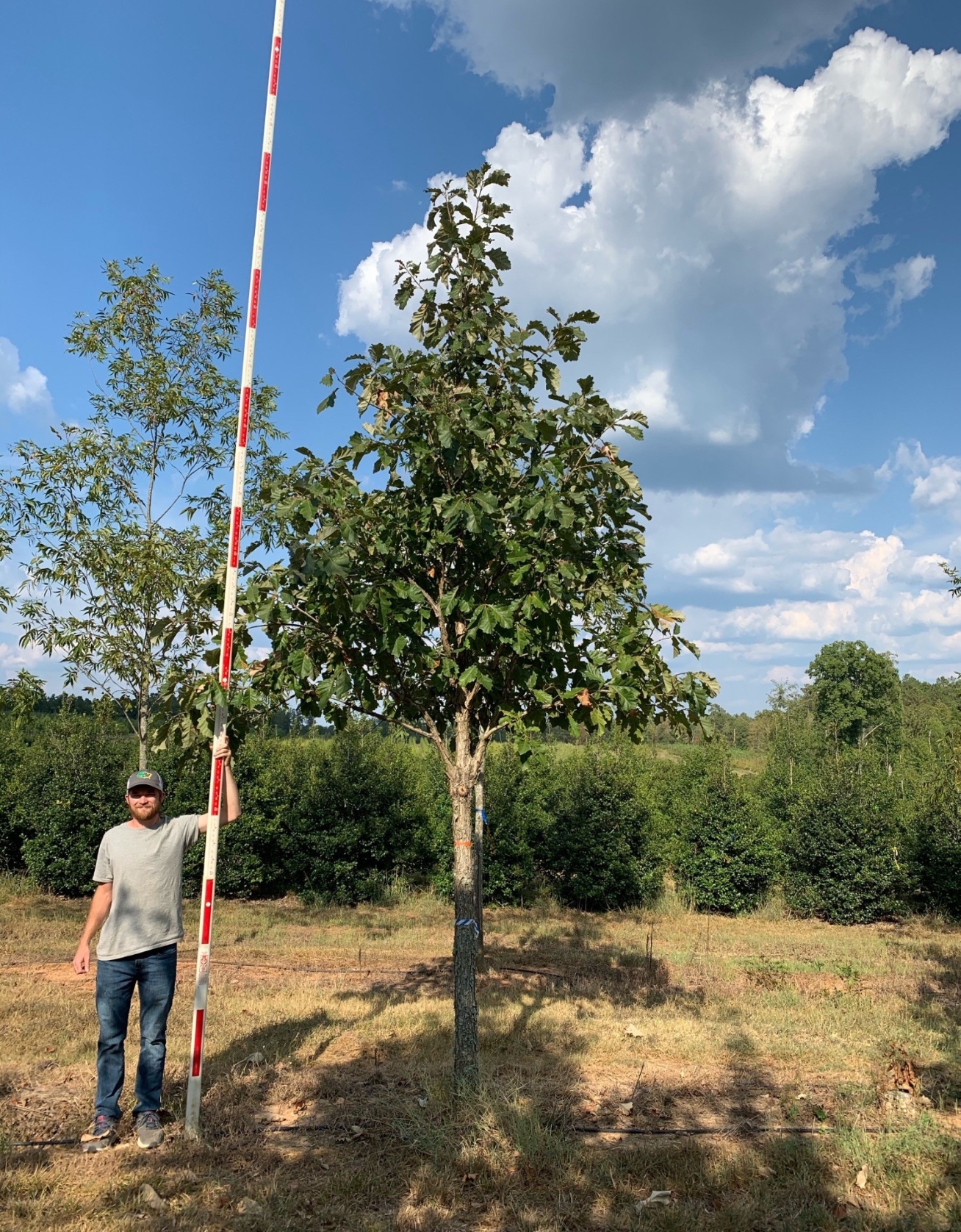
Durable and long-lived, Swamp White Oak is a reliable native shade tree that is adaptable to both low-lying, wet areas and drier soils.
Shade Tree
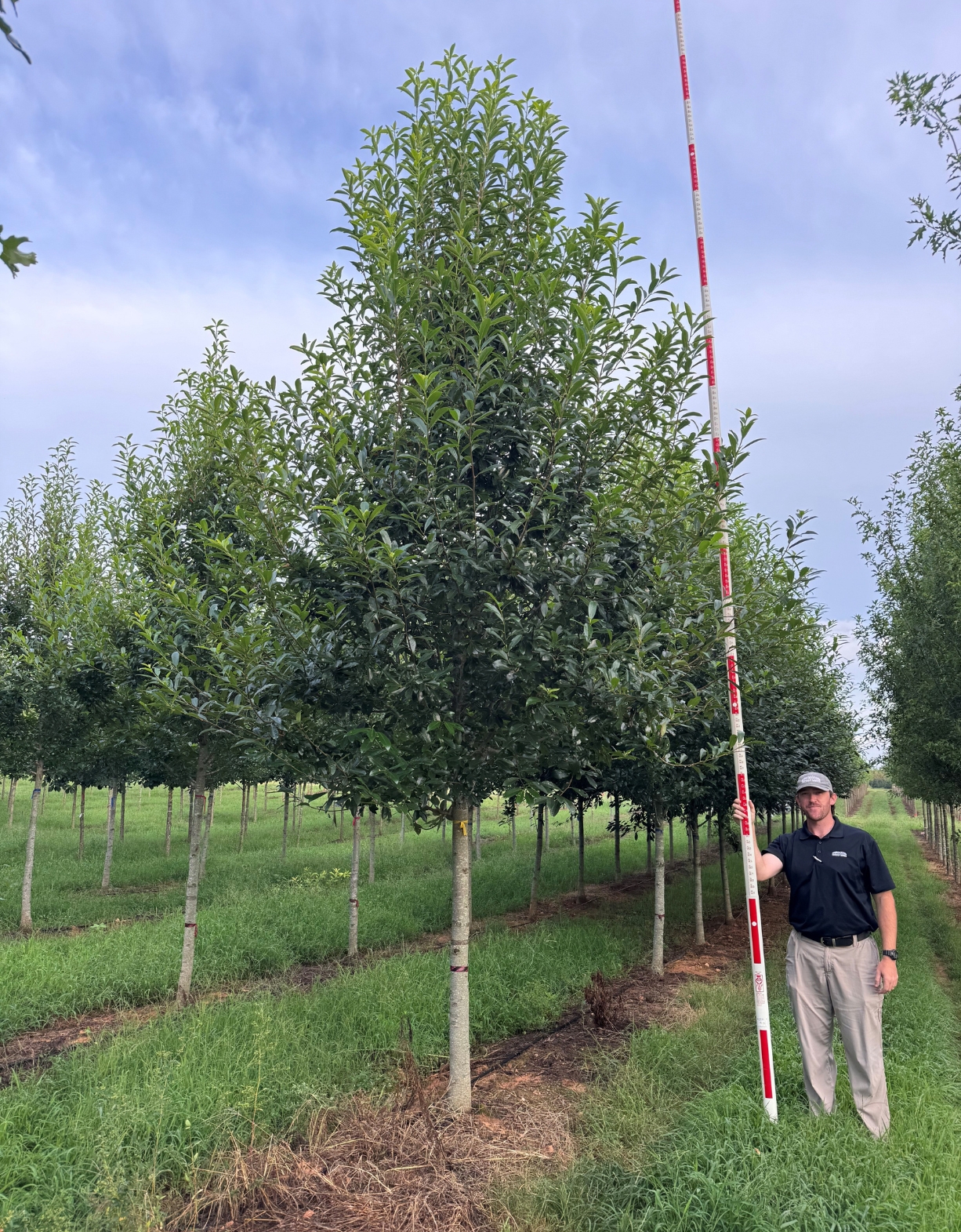
Red Splyndor® is preferred for its glossy green summer foliage and vibrant red fall color.
Shade Tree
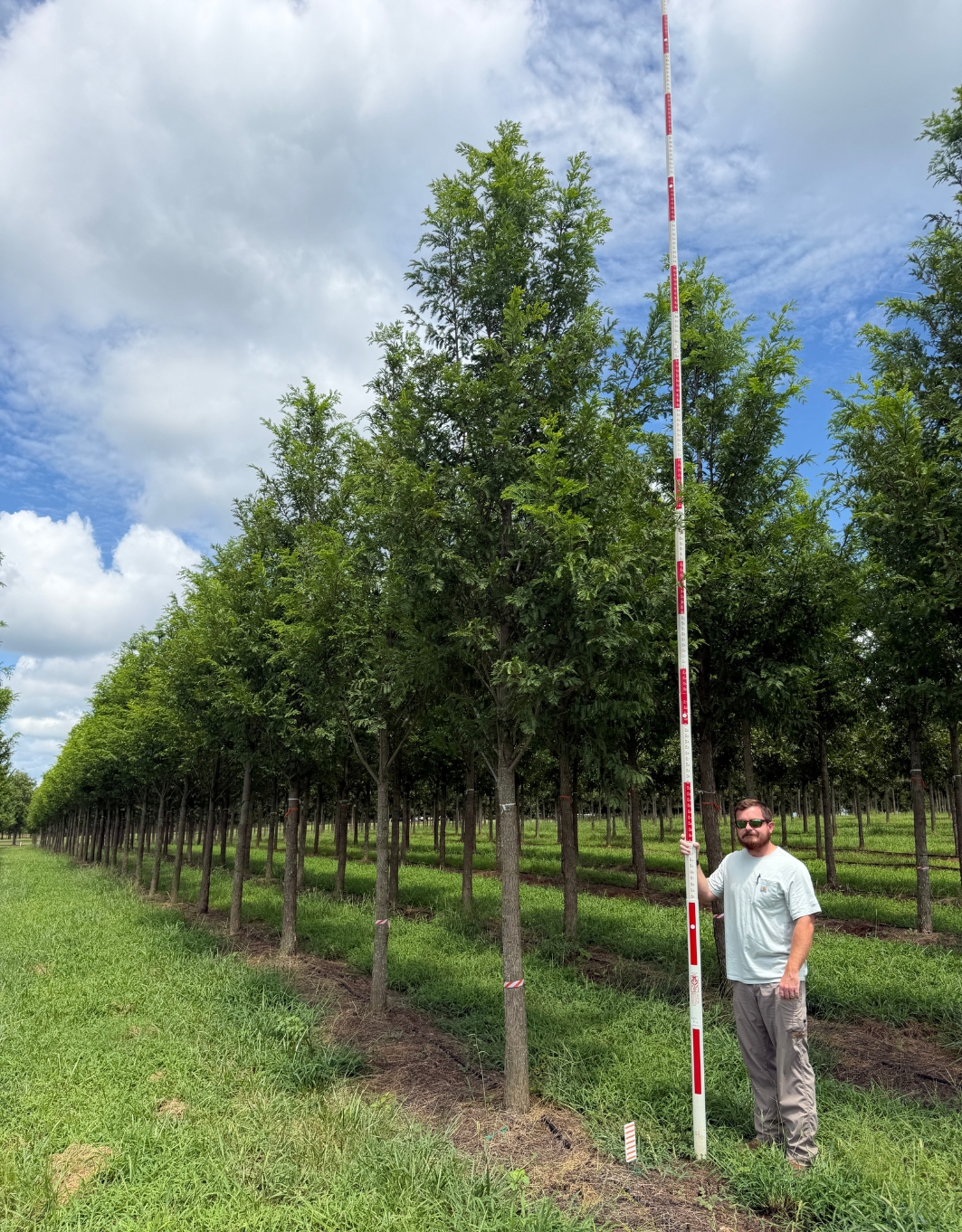
Phoenix Spire embodies a stately growth habit with more upright and denser branching, making it a great choice for planting in tighter locations.
Shade Tree
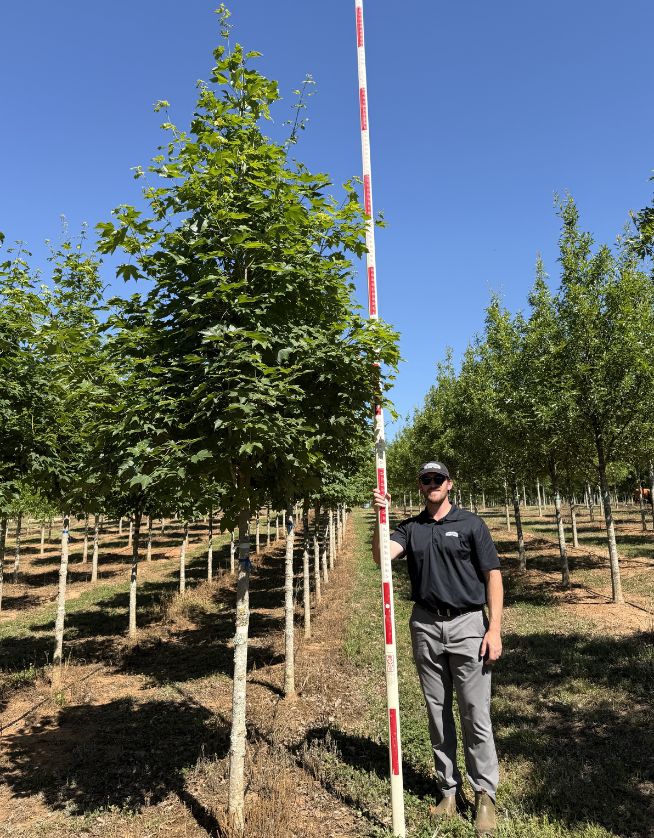
‘Sweet Amber’ was originally discovered in Maryland and has a dense canopy with spectacular fall color.
Shade Tree
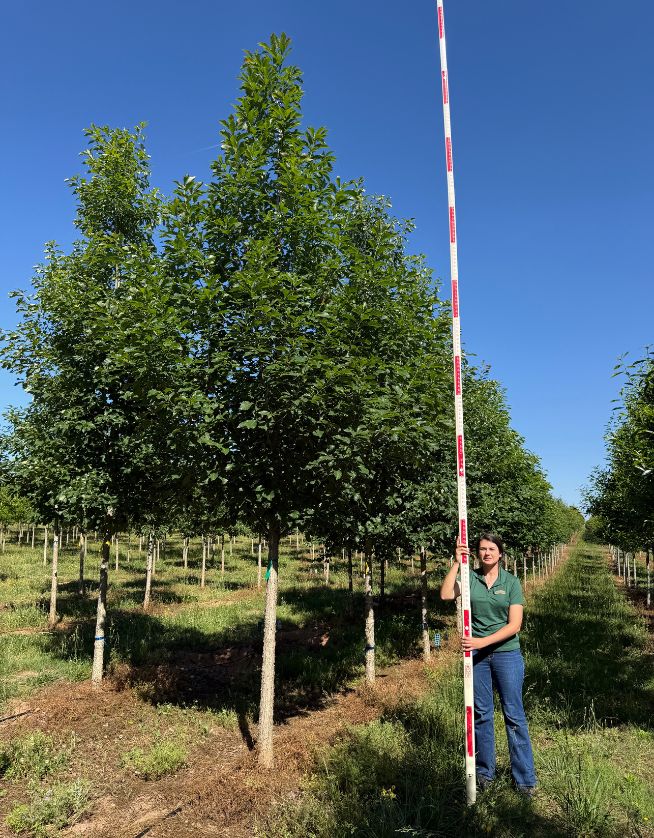
Chinkapin Oak is an attractive, strikingly unique oak species with lustrous dark green chestnut-like leaves and uniform pyramidal habit.
Shade Tree
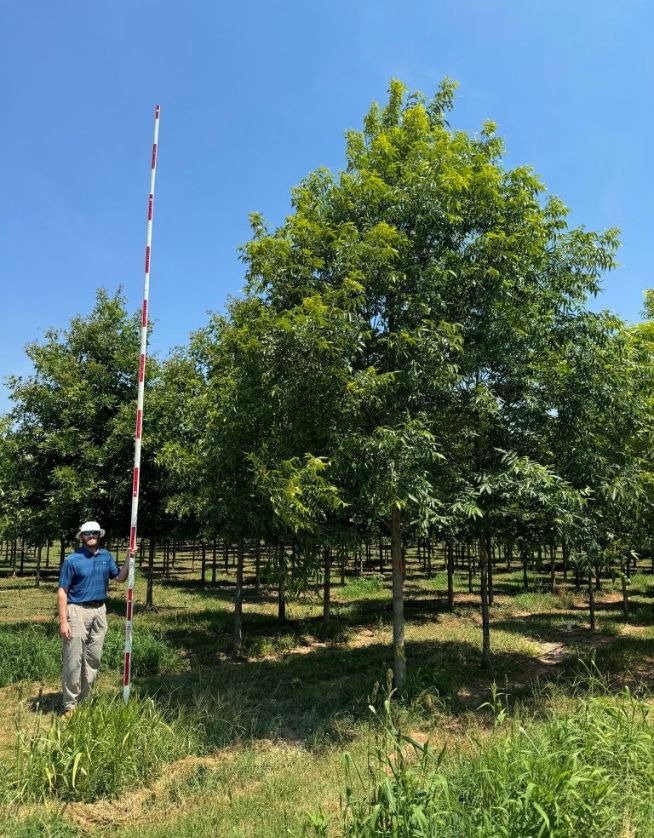
An excellent specimen in the Southeast. The Water Hickory is commonly found in tough environments, including swamps and lowlands.
Shade Tree
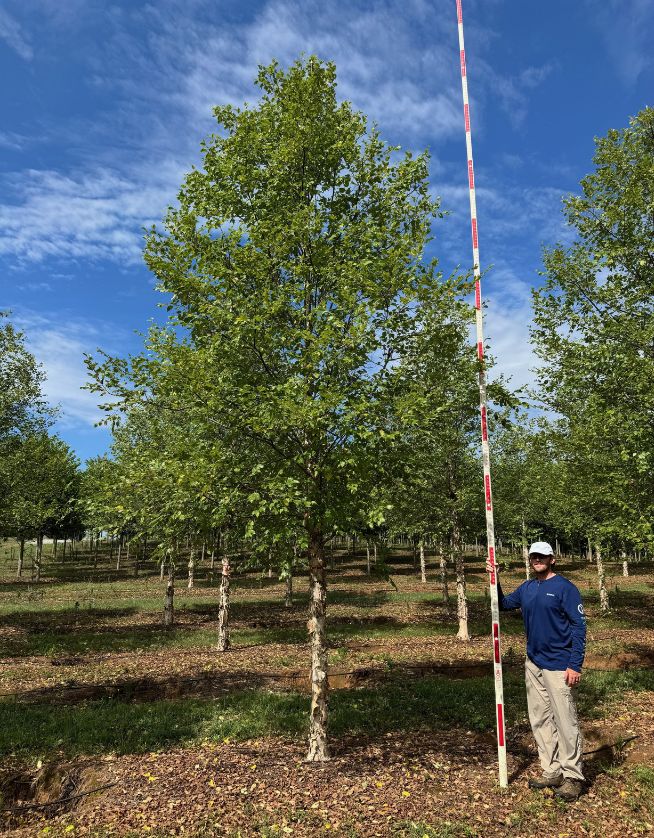
Holds up better than other birch cultivars during heat stress.
Shade Tree
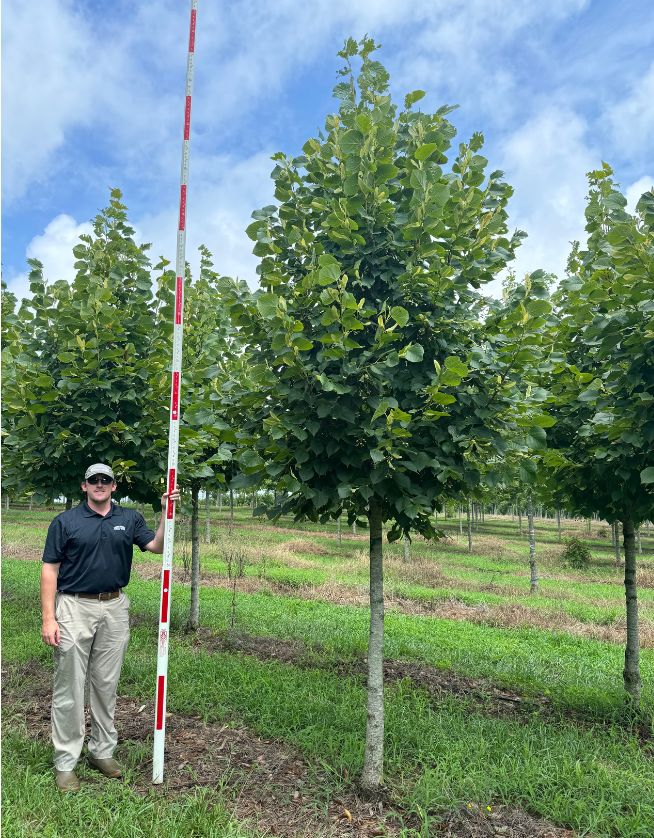
A vigorous tree that should perform well in areas where American Linden may not normally be considered.
Shade Tree
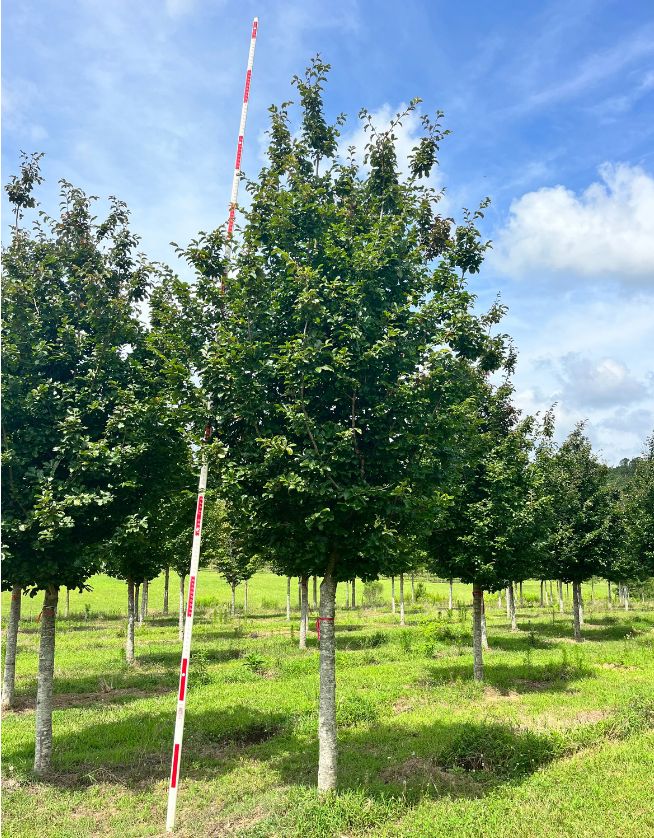
Exfoliating, colorful bark and fall leaf color are very striking.
Shade Tree
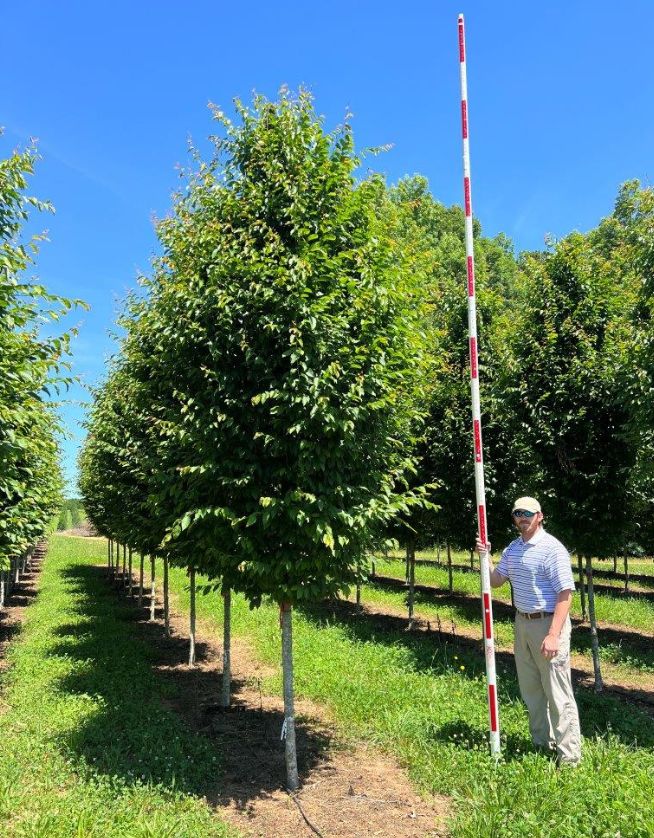
Palisade® American Hornbeam is an upright, narrow oval selection with strongly ascending branches.
Shade tree
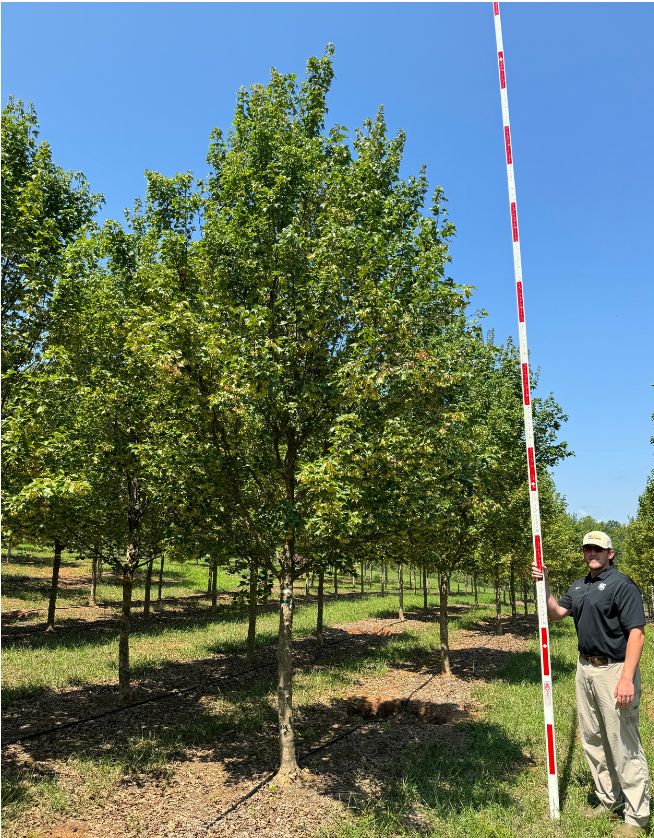
Trident maple cultivar with excellent oval-round head.
Shade Tree
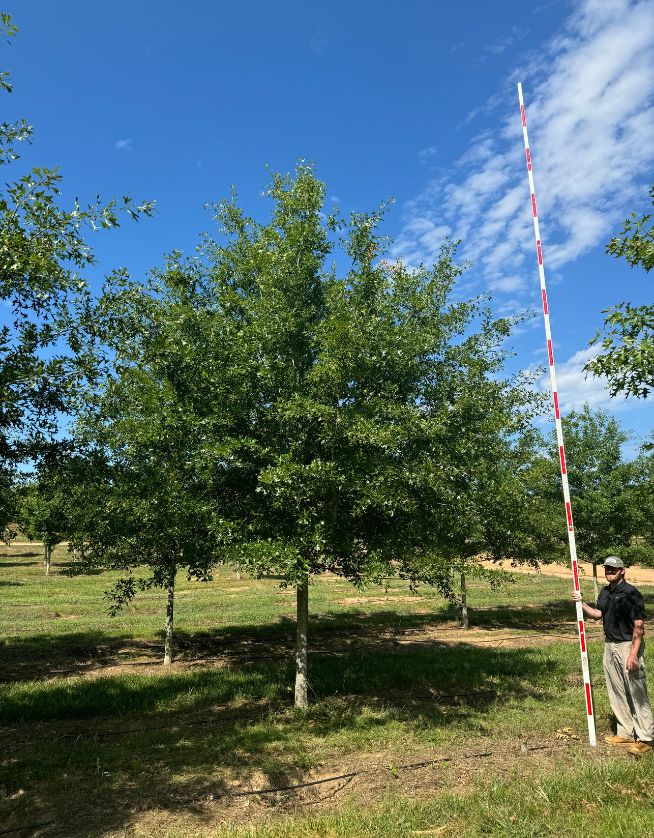
Jaybird™ Georgia Oak is a handsome, densely branched tree that is perfect for tight spaces, planters, or as park tree.
Shade Tree
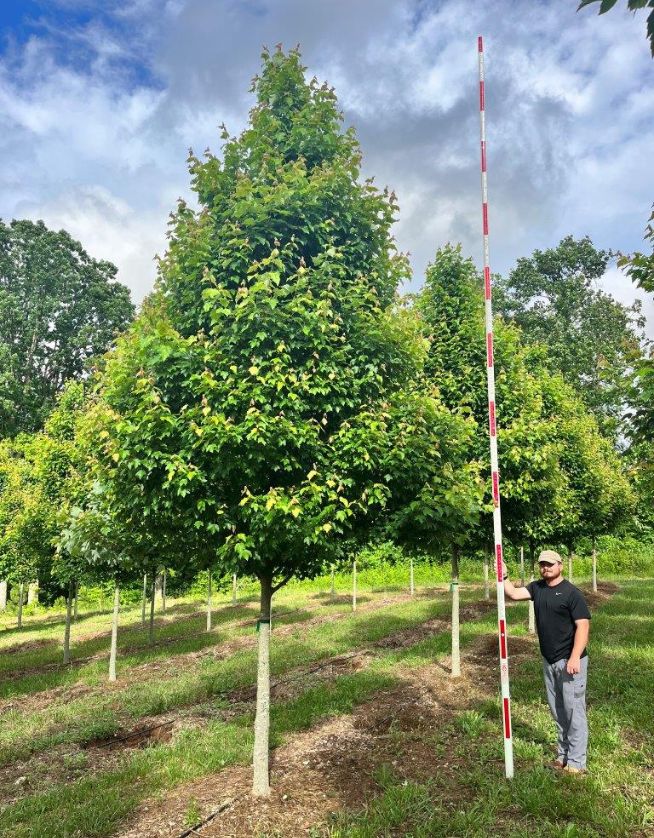
Built to Last® is a branch sport from October Glory® Red Maple.
Shade Tree
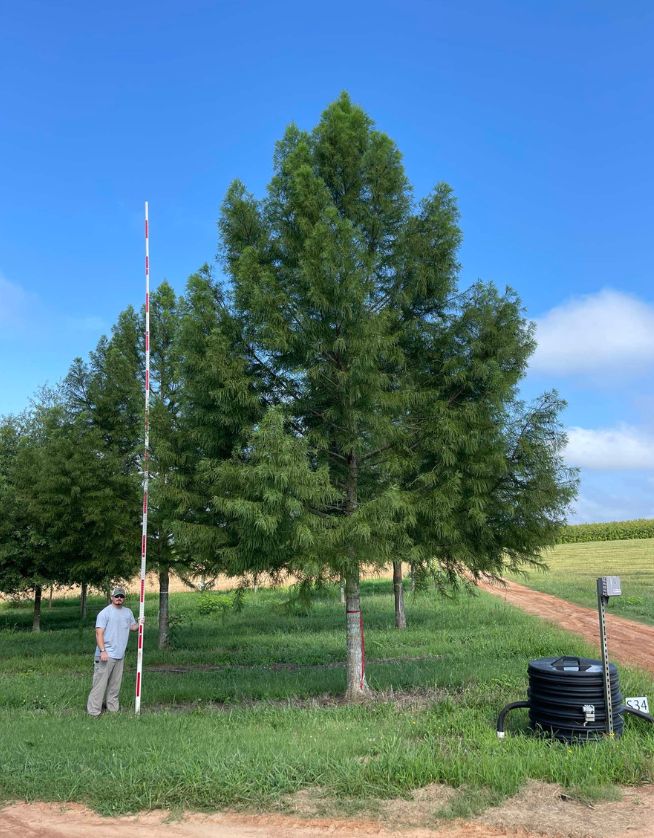
An introduction of PDSI that is propagated on its own root, thus having consistent shape and growth rate.
Shade Tree
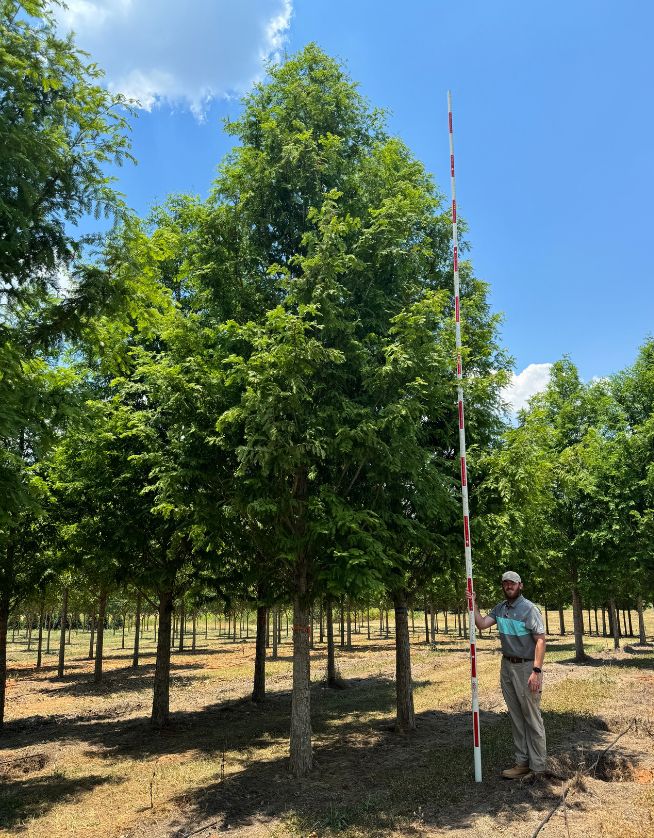
Palatial® Dawn Redwood has an upright and dense branching structure with excellent dark-green foliage.
Shade Tree
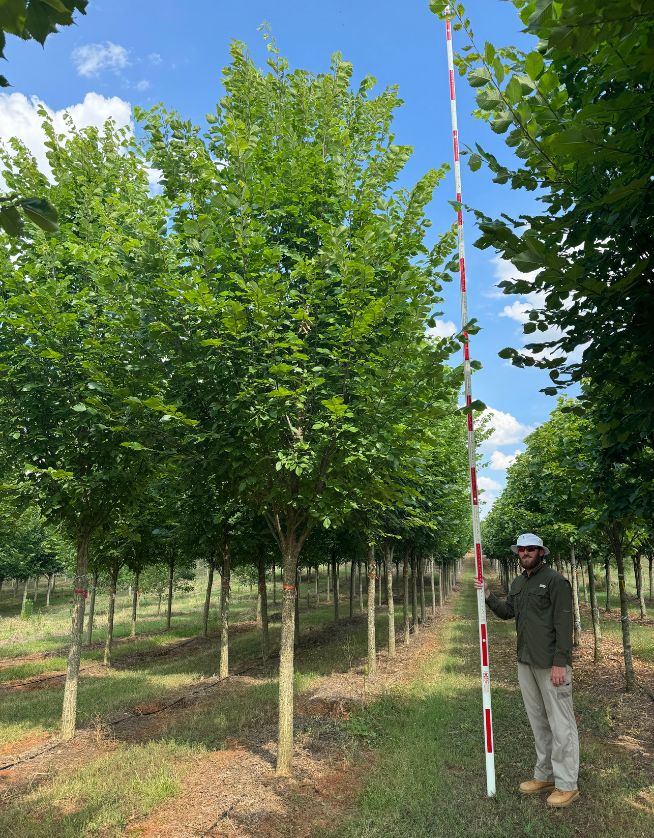
The newest introduction of American Elm is also the new standard in the heat of southern landscapes.
Shade Tree
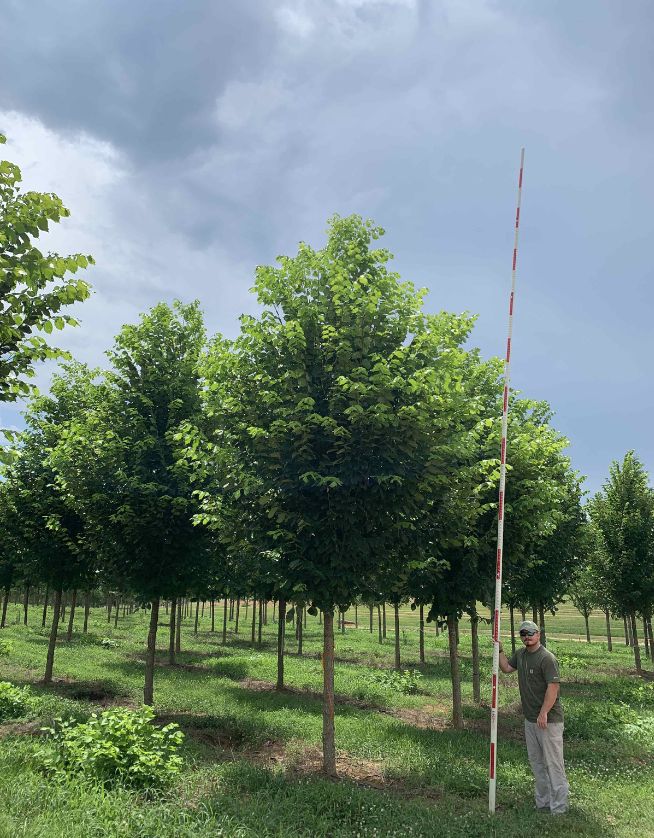
Expansive, vase-shaped canopy with arching limbs; dark green summer foliage.
Shade Tree
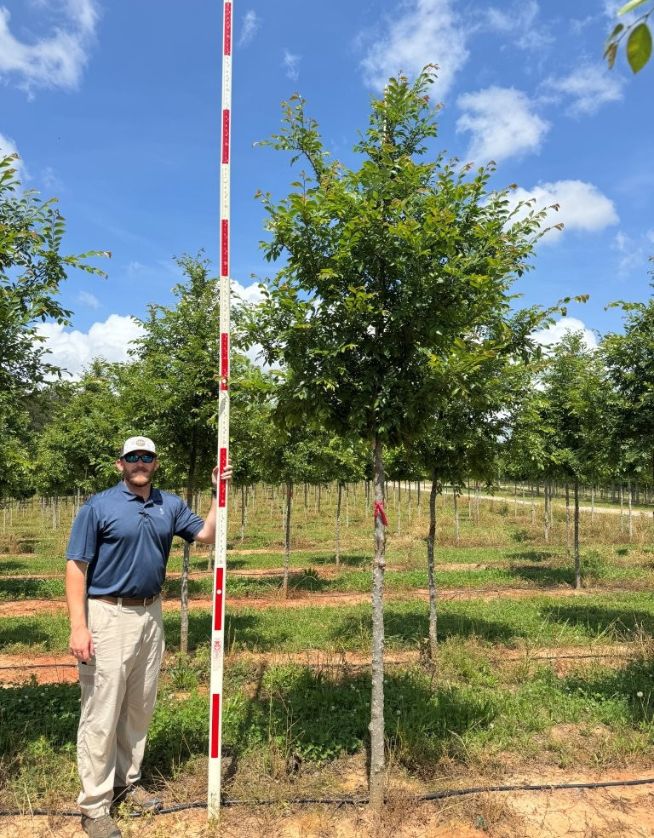
This Lacebark Elm has a distinct broad-rounded habit and uniform branch development.
Shade Tree
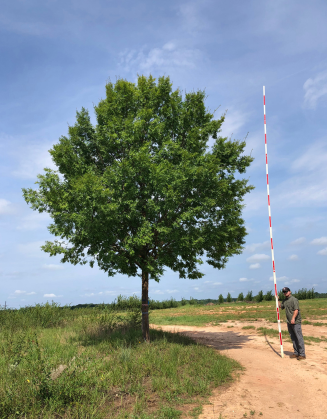
“No other tree embodies such functional, yet noble, attributes.” – Dr. Michael Dirr
Shade Tree
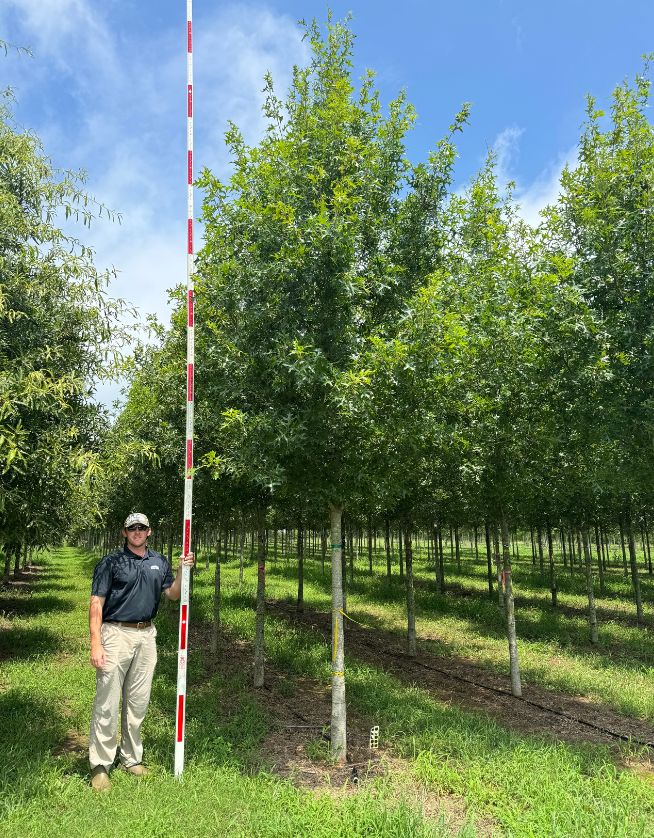
Upright branching, clean leaf drop in fall, and moderate to good fall color.
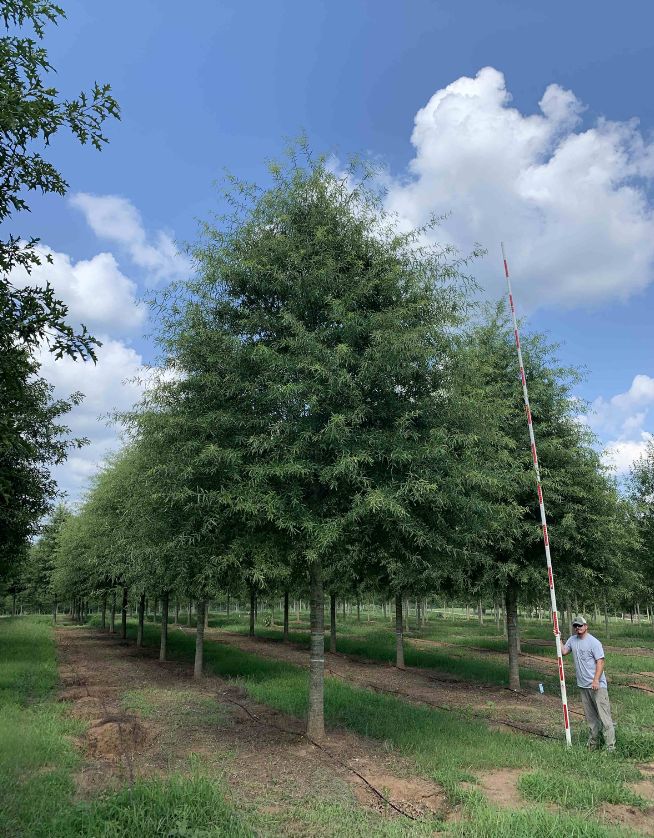
Fortitude™ differs from other Willow Oak selections due to mid-spring leaf-out, protecting it from spring cold damage.
Shade Tree
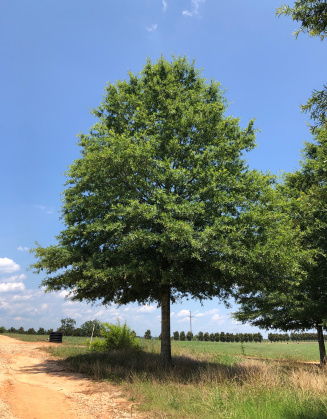
Ascendor® is upright, but with a moderate branch angle that is much less likely to develop included bark as compared to other upright trees we have evaluated.
Shade Tree
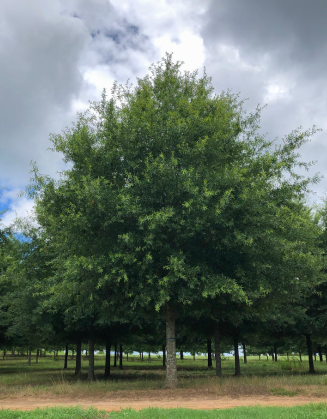
Native shade tree – own root. The first cultivar of Willow Oak available on its own root.
Shade Tree
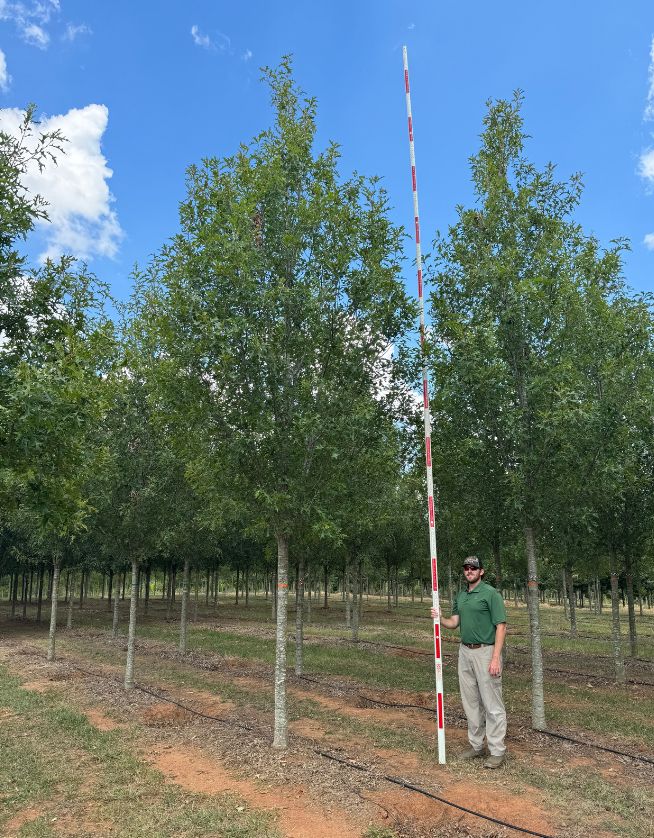
Compared to most shumard oaks, Prominence® is a more vigorous, dense tree.
Shade Tree
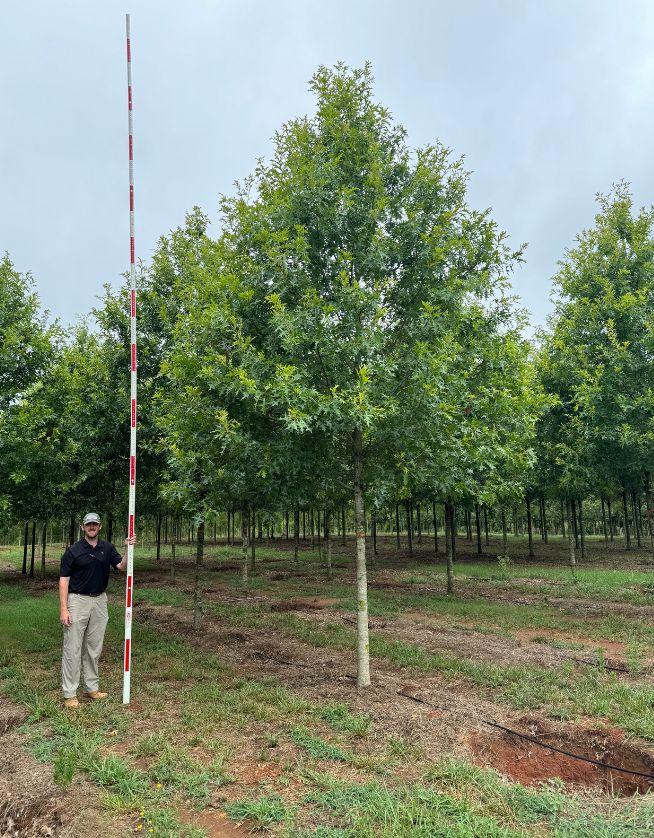
Fast growing oak suitable for streets, lawns and commercial open spaces.
Shade Tree
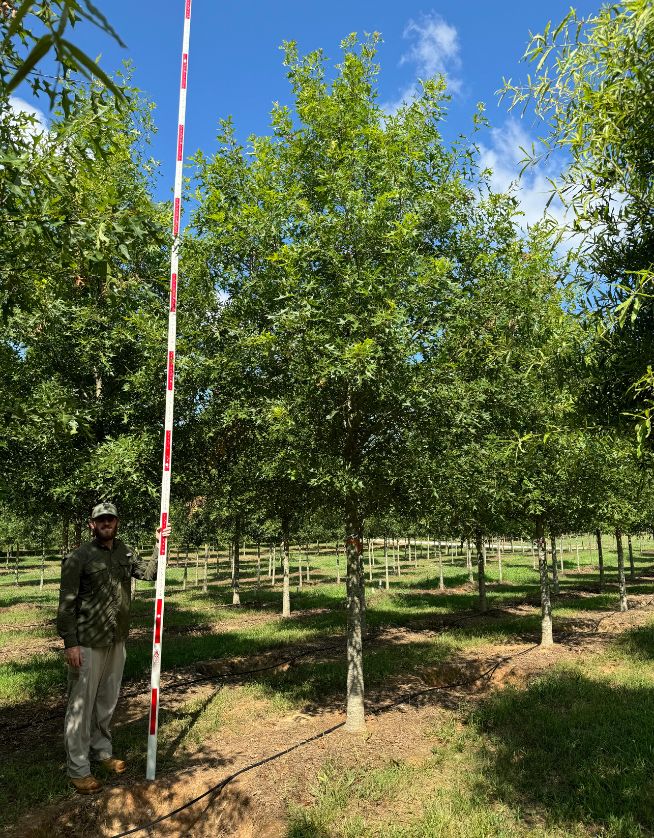
Selected for good vigor, uniform and dense branching structure, form, and density.
Shade Tree
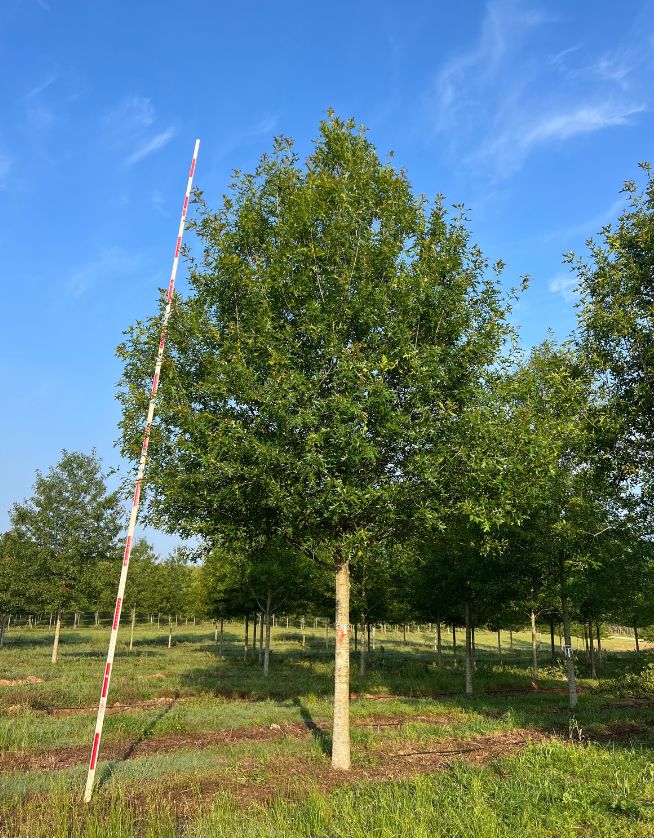
Esplanade® is a handsome Nuttall Oak from Tree Introductions.
Shade Tree
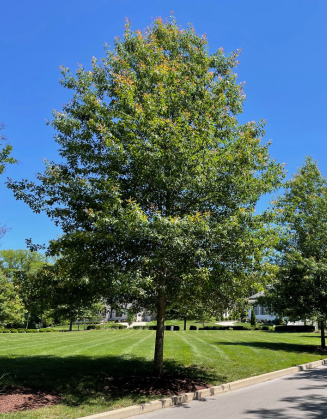
Sangria® will stand out in spring with striking impact.
Shade Tree
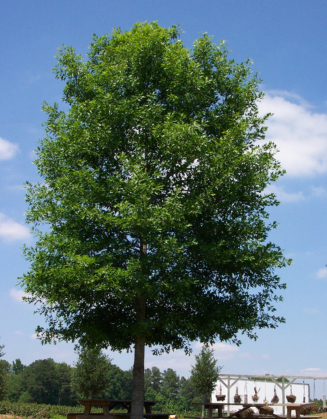
The first cultivar Nuttall Oak available on its own root.
Shade Tree
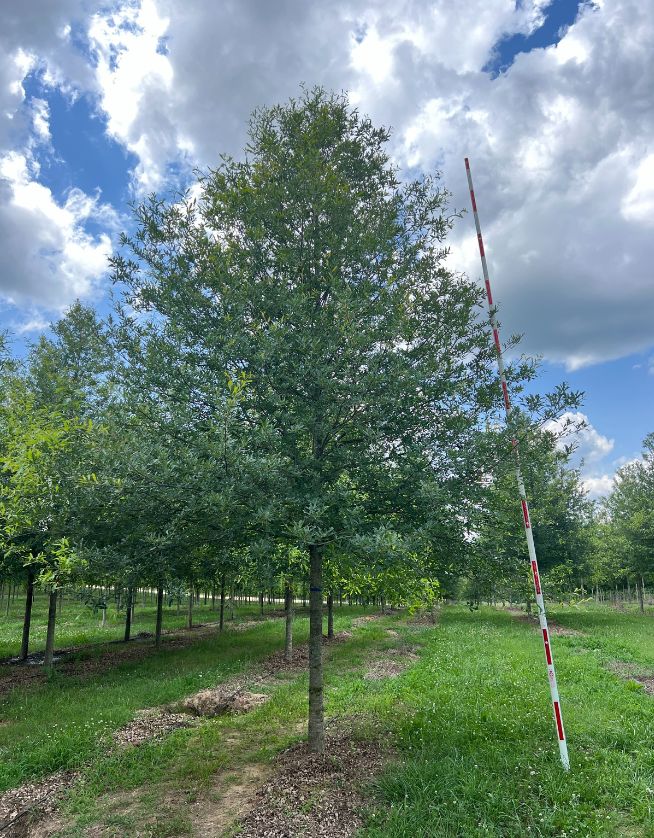
Endurance is the first cultivar Compton Oak available on its own root.
Shade Tree
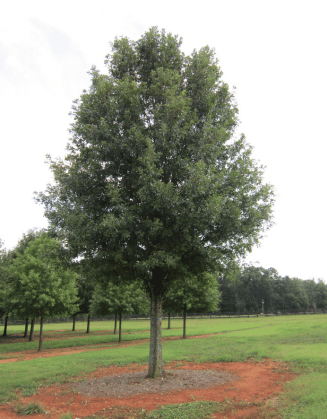
Native shade tree – own root. Streamline® Overcup Oak has moderately upswept branching.
Shade Tree
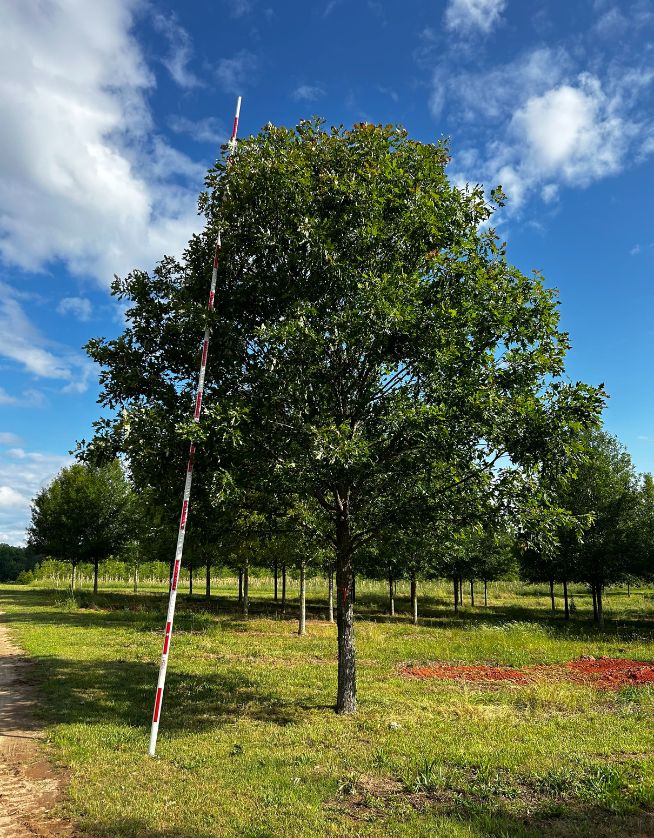
The first cultivar Overcup Oak available on its own root.
Shade Tree
Connect with us to learn more

225 William Pope Road
Crawford, GA 30630
Privacy Notice


